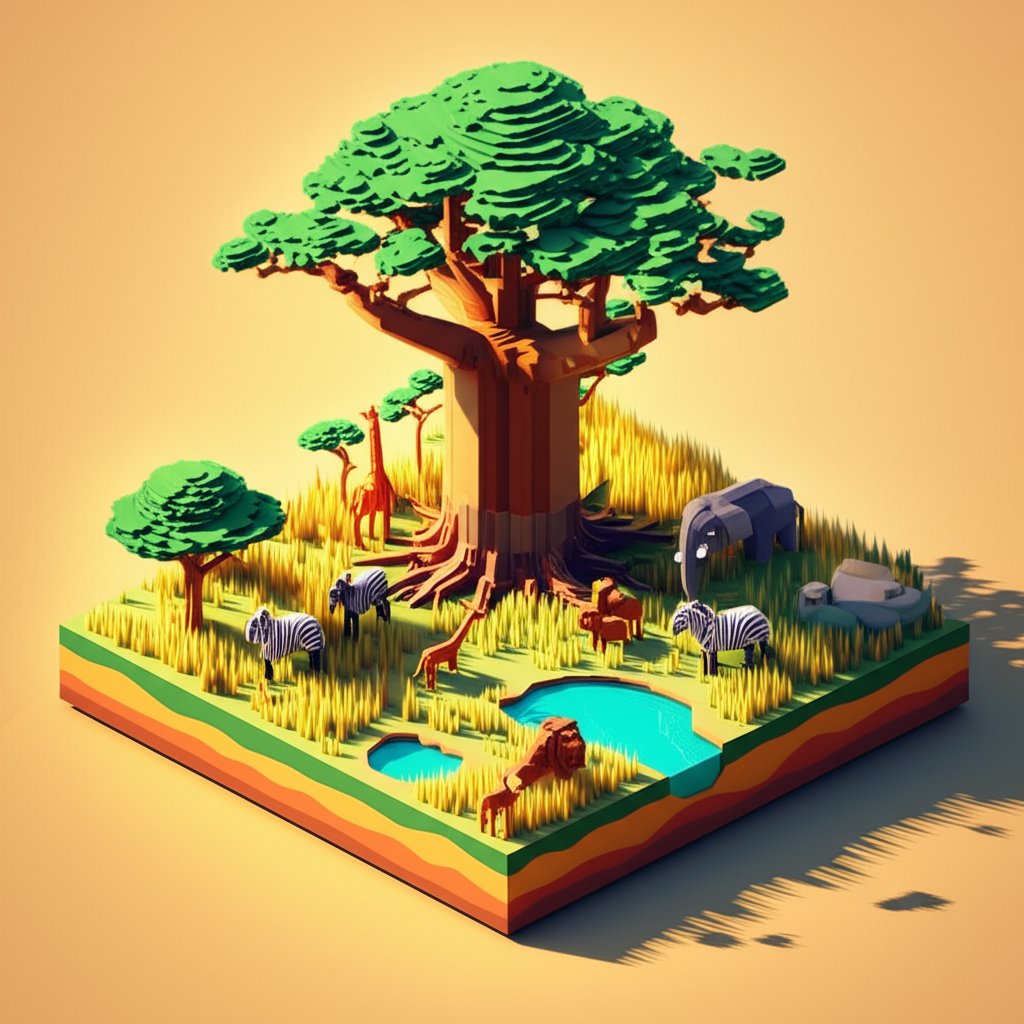
The savanna, a breathtaking tapestry woven with grasses, trees, and an astonishing array of wildlife, stretches across vast landscapes in Africa, South America, Asia, and Australia. These iconic ecosystems, often perceived as simple grasslands, are in fact dynamic and complex environments teeming with life. From the majestic African savanna, home to lions, elephants, and giraffes, to the South American cerrado, a biodiversity hotspot rivaling the Amazon, savannas play a critical role in global ecology and climate regulation. Understanding the intricate workings of these vital ecosystems is essential for their conservation and the well-being of our planet. This article delves into the fascinating world of the savanna, exploring its unique characteristics, the challenges it faces, and the importance of protecting these invaluable natural treasures.
What is a Savanna? Defining Characteristics and Global Distribution
Savannas, sometimes referred to as tropical grasslands, are characterized by a grassy landscape interspersed with trees and shrubs. Unlike deserts which receive very little rainfall, and rainforests which are drenched in almost daily showers, savannas experience distinct wet and dry seasons. This seasonality is a crucial factor shaping the plant and animal life that thrives within them.
Key Climatic Conditions
Savannas typically receive between 500 and 1500 millimeters (20-60 inches) of rainfall annually, concentrated in a distinct wet season. The dry season can last for several months, leading to drought conditions and influencing vegetation growth. Temperatures are generally warm to hot year-round, with significant daily and seasonal variations.
Dominant Vegetation Types
Grasses are the dominant vegetation type in savannas, adapted to withstand drought, fire, and grazing. Trees are scattered throughout the landscape, often exhibiting adaptations like deep roots, thick bark, and small leaves to survive the dry season. Common tree species include acacias, baobabs, and eucalyptus (depending on the continent). Understanding african savanna flora is essential to recognizing this biome.
Global Distribution of Savannas
Savannas are found on every continent except Antarctica. The most extensive savannas are located in Africa, particularly in the eastern and southern regions. Other significant savanna regions include the cerrado of Brazil, the llanos of Venezuela and Colombia, and the savannas of northern Australia.
The African Savanna: An Iconic Ecosystem
The African savanna is perhaps the most well-known and iconic savanna ecosystem. Spanning vast areas of eastern and southern Africa, it is home to some of the world’s most charismatic megafauna and plays a vital role in the continent’s ecology and economy.
Wildlife of the African Savanna
The African savanna is renowned for its incredible diversity of wildlife, including large mammals like lions, elephants, giraffes, zebras, and wildebeest. These animals play crucial roles in shaping the landscape through grazing, browsing, and predation. The savanna also supports a rich variety of birds, reptiles, insects, and other invertebrates.
The Great Migration
One of the most spectacular events on the African savanna is the Great Migration, a seasonal movement of millions of wildebeest, zebras, and gazelles in search of water and grazing. This epic journey is a testament to the resilience and adaptability of savanna wildlife.
Conservation Challenges in Africa
The African savanna faces numerous conservation challenges, including habitat loss, poaching, human-wildlife conflict, and climate change. Protecting this iconic ecosystem requires collaborative efforts from governments, conservation organizations, and local communities.
South American Savannas: Biodiversity Hotspots
While often overshadowed by the Amazon rainforest, South American savannas, such as the cerrado of Brazil and the llanos of Venezuela and Colombia, are biodiversity hotspots with unique flora and fauna.
The Cerrado of Brazil
The cerrado is the largest savanna region in South America and one of the most biodiverse savanna ecosystems in the world. It is home to a wide range of endemic species, including the maned wolf, giant anteater, and numerous bird and plant species. Some consider the hidden wonders ecosystems of the Cerrado to rival even the Amazon.
The Llanos of Venezuela and Colombia
The llanos are a seasonally flooded savanna region in Venezuela and Colombia, characterized by vast grasslands, gallery forests, and abundant wildlife. They support a rich diversity of birds, reptiles, mammals, and fish.
Threats to South American Savannas
South American savannas are threatened by agricultural expansion, deforestation, mining, and climate change. These activities lead to habitat loss, fragmentation, and the degradation of ecosystem services.
Australian Savannas: Unique Adaptations
Australian savannas, also known as tropical grasslands or woodlands, are found across northern Australia and are characterized by unique plant and animal adaptations to the harsh environment.
Dominant Species and Adaptations
Eucalyptus trees are dominant in many Australian savannas, adapted to withstand drought and fire. Native grasses provide forage for herbivores like kangaroos and wallabies. Many Australian savanna animals exhibit adaptations like nocturnal behavior and water conservation strategies.
Fire Ecology in Australia
Fire plays a crucial role in shaping Australian savannas. Native plants and animals are adapted to fire, and regular burning helps maintain the open grassland structure and prevent the encroachment of woody vegetation.
Conservation Issues in Australia
Australian savannas face threats from invasive species, overgrazing, altered fire regimes, and climate change. Managing these threats is essential for maintaining the biodiversity and ecological integrity of these ecosystems.
The Vital Role of Savannas in the Global Ecosystem
Savannas play a critical role in regulating the global climate, supporting biodiversity, and providing essential ecosystem services. Understanding their ecological importance is crucial for their conservation.
Carbon Sequestration
Savannas store significant amounts of carbon in their vegetation and soils, helping to mitigate climate change. Maintaining healthy savanna ecosystems is essential for preserving this carbon sink.
Water Regulation and Soil Conservation
Savanna vegetation helps regulate water flow, prevent soil erosion, and maintain soil fertility. These ecosystem services are vital for agriculture and human well-being.
Biodiversity Support
Savannas support a rich diversity of plant and animal life, including many endemic and endangered species. Protecting savannas is essential for conserving global biodiversity. In fact, the stunning biodiversity beyond rainforests can often be found here.
Threats to Savanna Ecosystems: A Global Perspective
Savannas around the world face numerous threats, including habitat loss, climate change, invasive species, and unsustainable land management practices.
Habitat Loss and Fragmentation
Agricultural expansion, deforestation, urbanization, and mining are leading to habitat loss and fragmentation in savannas worldwide. This reduces the amount of available habitat for wildlife and disrupts ecological processes.
Climate Change Impacts
Climate change is altering rainfall patterns, increasing temperatures, and increasing the frequency and intensity of droughts and fires in savannas. These changes threaten the survival of many plant and animal species.
Invasive Species
Invasive plants and animals can outcompete native species, alter ecosystem structure, and disrupt ecological processes. Managing invasive species is a major challenge for savanna conservation.
Unsustainable Land Management Practices
Overgrazing, unsustainable agriculture, and destructive fire regimes can degrade savanna ecosystems and reduce their ability to provide ecosystem services.
Conservation Strategies for Savanna Ecosystems
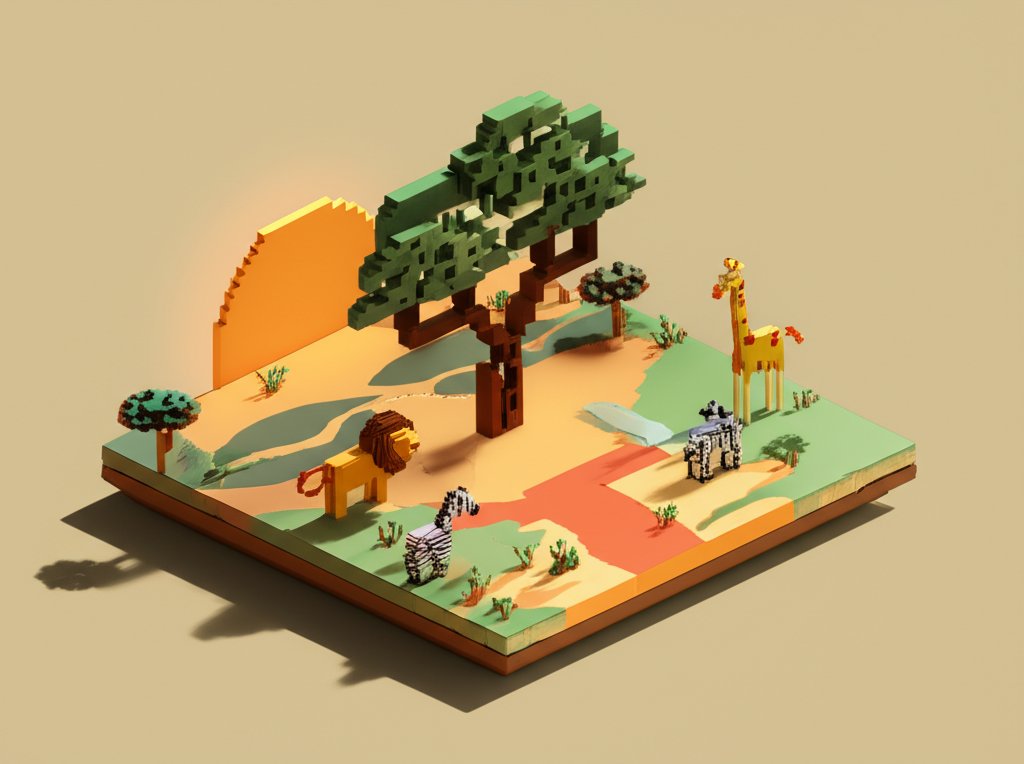
Protecting savannas requires a combination of conservation strategies, including protected areas, sustainable land management practices, community involvement, and climate change mitigation.
Establishing Protected Areas
Creating and managing protected areas, such as national parks and reserves, is a crucial step in conserving savanna ecosystems. These areas provide refuge for wildlife and protect critical habitats.
Sustainable Land Management Practices
Promoting sustainable grazing, agriculture, and forestry practices can help maintain the health and productivity of savanna ecosystems. This includes implementing rotational grazing systems, promoting soil conservation, and using fire management techniques.
Community Involvement and Education
Engaging local communities in conservation efforts is essential for long-term success. This includes providing education about the importance of savannas, supporting sustainable livelihoods, and empowering communities to manage their natural resources.
Climate Change Mitigation and Adaptation
Reducing greenhouse gas emissions and implementing climate change adaptation strategies are crucial for protecting savannas from the impacts of climate change. This includes promoting renewable energy, conserving forests, and restoring degraded lands.
The Future of Savannas: Challenges and Opportunities
The future of savannas depends on our ability to address the threats they face and implement effective conservation strategies. Despite the challenges, there are also opportunities to protect and restore these vital ecosystems.
Technological Innovations in Savanna Conservation
Drones, satellite imagery, and other technologies are being used to monitor savanna ecosystems, track wildlife populations, and detect illegal activities. These tools can help improve conservation effectiveness.
Ecotourism and Sustainable Livelihoods
Ecotourism can provide economic benefits to local communities while promoting conservation. Developing sustainable tourism initiatives that minimize environmental impacts and benefit local people is essential. And with so many unbelievable savanna facts, there’s no shortage of interest.
The Role of Global Collaboration
Protecting savannas requires collaboration between governments, conservation organizations, researchers, and local communities. International cooperation is essential for addressing global threats like climate change and illegal wildlife trade. It’s important to uncover its vital role.
Conclusion: Appreciating and Protecting Our Savannas
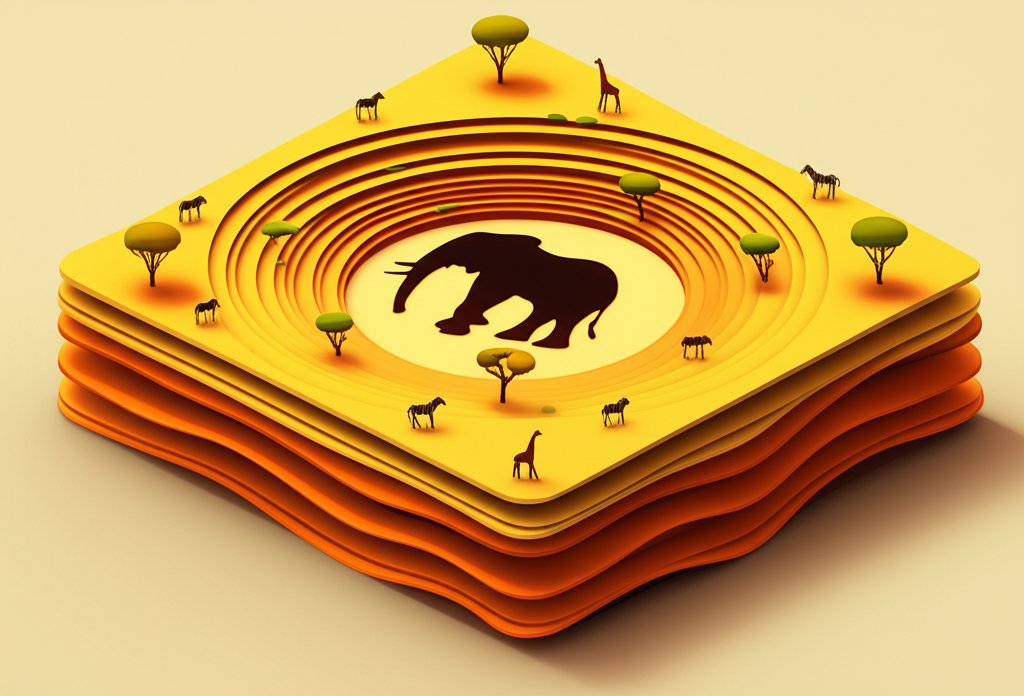
Savannas are vital ecosystems that play a critical role in global ecology, climate regulation, and biodiversity conservation. From the iconic African savanna to the biodiverse cerrados of South America and the unique savannas of Australia, these landscapes support an incredible array of life and provide essential ecosystem services. However, savannas face numerous threats, including habitat loss, climate change, invasive species, and unsustainable land management practices. Protecting these valuable ecosystems requires a concerted effort from governments, conservation organizations, local communities, and individuals. By understanding the importance of savannas and supporting conservation initiatives, we can help ensure that these vital ecosystems continue to thrive for generations to come. Take action today by supporting conservation organizations, advocating for sustainable land management practices, and educating others about the importance of savannas.
Frequently Asked Questions (FAQ)
Q: What is the main difference between a savanna and a desert?
A: The main difference lies in the amount of rainfall. Savannas receive significantly more rainfall than deserts, with distinct wet and dry seasons. Deserts, on the other hand, receive very little rainfall throughout the year.
Q: What are some of the adaptations of savanna plants to drought?
A: Savanna plants have developed several adaptations to survive the dry season, including deep roots to access groundwater, thick bark to protect against fire, small leaves to reduce water loss, and the ability to store water in their roots or stems.
Q: How does fire affect savanna ecosystems?
A: Fire is a natural and important part of many savanna ecosystems. Regular fires help maintain the open grassland structure, prevent the encroachment of woody vegetation, and promote the growth of fire-adapted plants.
Q: What are some of the major threats to savanna wildlife?
A: Major threats to savanna wildlife include habitat loss, poaching, human-wildlife conflict, and climate change.
Q: How can I help protect savanna ecosystems?
A: You can help protect savanna ecosystems by supporting conservation organizations, advocating for sustainable land management practices, reducing your carbon footprint, and educating others about the importance of savannas. You can also learn more about the alpine ecosystems crisis and its impact on the world’s biomes, and consider how these threats can affect savannas too.










